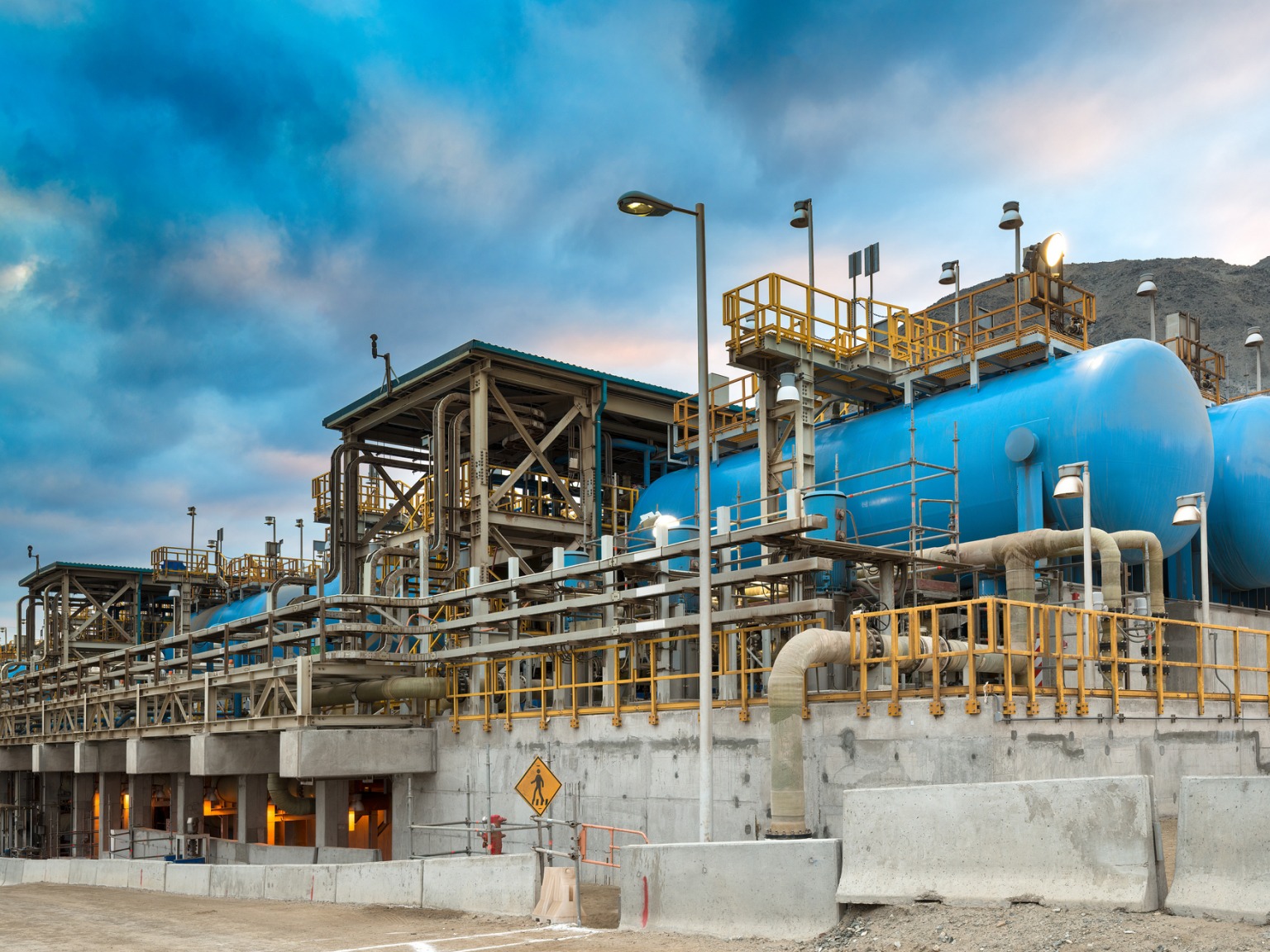
WEC Water: A Year of Innovation and Impact
WEC Water’s 2025 Year in Review highlights a year of innovation, resilience and purposeful engineering. From pioneering treatment technologies to strengthening community water security, the organisation continues to advance sustainable water solutions across Africa.
Key Takeaways
- WEC Water demonstrated how water treatment companies should adapt to annual challenges while maintaining steady progress in the water sector.
- Collaboration remained central to delivering complex water projects in rural, industrial, and parastatal environments.
- Sustainable water solutions played a critical role in strengthening water security for communities across Africa.
- Innovative technologies, including the biological trickle filter, drove new opportunities in industrial water treatment systems.
- Our focus on resilience and long-term planning reflects key trends driving innovation in water solutions.
This year was not simple or easy for WEC Water. It was a year of hard-won lessons, meaningful progress, and quiet but powerful wins; the kind that remind everyone why water work matters.
As one of South Africa’s key engineering firms in sustainable water solutions and water resource management, we have demonstrated how water treatment companies can adapt to annual challenges while innovating and advancing in the water sector.
Across rural schools, parastatal facilities, growing towns, and large industrial plants, we found ourselves navigating complexity on every front: technical, cultural, logistical and economic.
Through it all, one thread remained constant: a deep commitment to protecting vital water resources, supporting communities through a reliable water treatment process, and a determination to keep moving forward, even when the road was anything but smooth.
This is what we’ve been doing this year: Engineering the Water of Tomorrow, today.
Restoring Dignity, One School At A Time
When asked what moment stood out most this year, the answer came easily: the NEWGenerator™ (NewGen™) projects. While these aren’t the core of our commercial strategy, they are central to our purpose. These projects serve as a stark reminder of how engineering firms can partner with communities in meaningful and lasting ways.
As part of our NewGen™ projects, we deliver containerised wastewater treatment plants to rural schools and informal communities nationwide. This year, that included 15 schools in the Eastern Cape, places where there was previously no formal sanitation, no safe ablution blocks, and no real choice but to rely on unsafe pit latrines.
These projects do more than treat wastewater. They restore dignity. They show how water treatment directly supports community security and long-term water sustainability.
By installing systems that support proper flushing toilets and improving the water treatment process behind the scenes, we helped create a safer, more accessible environment for learners.
Working in such remote locations comes with its own set of challenges, including:
- Roads that are incomplete or non-existent.
- Limited access for trucks and heavy equipment.
- Communities that are diverse, with social dynamics and structures that are often unfamiliar to outsiders.
- Environmental conditions that demand adaptable engineering rather than standard solutions.
Despite these realities, we chose to adapt, rather than step back. This is a practical example of how water treatment companies can adapt to annual challenges with innovation and collaboration.
To do this, we had to rethink how our systems are built, delivered, and installed. The NewGen™ solution, originally designed as a single containerised unit, has evolved into a more modular configuration that:
- Breaks into smaller components
- Can be carried by hand where vehicles can’t go
- Is easier to install in tight or unconventional locations
It is engineering, yes, but also creativity and respect for context. We design solutions that meet communities where they are, both literally and practically.
Innovation In Action: Industrial And Defence Projects
While the NewGen™ story illustrates the social heart of what we do, this year also brought major technical and technological milestones.
One of the standout industrial projects this year involved a renowned fruit processes business, where we designed and delivered an innovative solution to treat a complex wastewater stream using industrial water treatment systems.
At the heart of this project is a biological trickle filter solution, a mature wastewater treatment technology that has been used for decades, but which we have now applied in this specific fruit-juice environment for the first time.
This pioneering application demonstrated innovative water solutions and has been recognised by the International Water Association (IWA), who have selected WEC to present a technical poster next year.
The project has unfolded in two phases so far, with the latest phase increasing capacity and performance. It wasn’t without difficulty, though. A failure by a key supplier created a significant setback, highlighting the importance of resilience in water infrastructure projects.
What mattered most was how we responded. By standing with the client, owning the challenge, and staying present through the resolution, our team strengthened the relationship rather than damaging it. What began as a crisis, we believe, has evolved into:
- A deeper level of trust
- More consistent, constructive engagement
- A stronger long-term partnership
- A shared understanding of how collaboration leads to better outcomes
Another important stream of work this year involved bringing a South African parastatal’s facilities up to compliance with wastewater treatment and discharge standards after decades of non-operation and underinvestment. Upgrading infrastructure in these contexts is uniquely challenging due to:
- Highly specialised technical requirements
- Sensitivity to command structures and internal protocols
- Security and access limitations
- The need to continuously adapt to unforeseen events and discoveries
Despite these complexities, this work is necessary. It plays a direct role in establishing long-term water security, particularly in regions where water systems have been underdeveloped for years. It’s a tangible contribution to environmental compliance and public health in places that many people never see.
Resilience Across Borders
Beyond South Africa, we continued contributing to sustainable water solutions across the continent, a critical part of the future of water treatment in Africa.
One major project involves a large-scale wastewater treatment plant delivered in partnership with a local civil construction company. The project brings improved sanitation to a community, laying the groundwork for broader social and economic growth.
Another project, in the town of Kasane, Botswana, along the beautiful Chobe River, focused on delivering high-quality potable water. By improving water reliability, the town can expand its tourism sector.
In the mining sector, we’ve supported clients with industrial water treatment systems in remote areas where environmental sensitivity is high. Here, protecting vital water resources through engineering is crucial, and water security solutions have a direct impact on mining operations and ecological and social stability.
Across all regions, one consistent theme is the key role of shared expertise in EPC project delivery and collaboration for successful water projects.
Simpler By Design: Rethinking The Water Treatment Process
One of the year’s biggest internal shifts was not about more technology, but about meaningful simplification.
Many of our plants use cutting-edge technology and automation, sophisticated control systems, and advanced biological processes. But in rural communities or low-infrastructure environments, that level of complexity can become a barrier rather than an advantage.
This year, we leaned into the principle that sustainable water solutions must be genuinely sustainable: operable, maintainable, and realistic for the people who rely on them daily. This mindset shift has gone from “technically advanced at all costs” to “technically appropriate and sustainable.”
By simplifying certain systems and focusing on robustness, we ensured that the water treatment process remains dependable even in the toughest conditions.
A Year of Challenges and Quiet Confidence
It would be easy to gloss over the fact that this has been a challenging year, but we choose transparency. Economic uncertainty, demanding projects, and constrained budgets all impacted the year.
And yet, despite all this, we continued to make steady progress in the water sector, even when conditions were difficult.
Internally, we have seen our management team and broader staff lean into the challenges, take ownership, and stay true to their long-term vision. Many of the leaders in the business have professionally grown up with WEC, building deep technical knowledge and a rare understanding of the industry over years rather than months. Loyalty runs deep, and with it comes a level of continuity that’s increasingly uncommon.
Simple rituals, such as monthly celebrations of birthdays and work anniversaries, have become moments to recognise just how much collective experience sits inside the organisation. Decades of tenure, across a relatively young management group, speak to something more than a job. They speak to a shared sense of purpose.
For all the engineering, logistics, and strategy, the heart of our story remains simple: a genuine love for water and what it makes possible.
We tackle the parts of the world many people never see: underground systems, wastewater networks, sewage, remote communities, and industrial environments. It’s often not glamorous, but they do it for a purpose.
As the year closes, we stand grounded in our mission, strengthened by our challenges, and ready for the opportunities ahead; a true reflection of the future of sustainable water treatment in Africa.
FAQs:
How do water treatment companies adapt to annual challenges?
Water treatment companies like WEC Water adapt by simplifying systems where needed, innovating technologies for complex environments, and collaborating closely with communities and clients.
Why is resilience important in water infrastructure projects?
Resilience ensures that water systems continue to operate despite logistical, environmental, or economic challenges, especially in rural or resource-limited regions.
How do engineering firms partner with communities in water projects?
Through tailored design, community engagement, and practical system adjustments that ensure long-term operability and sustainability.
What impact do sustainable water solutions have in Africa?
They improve water security, protect vital resources, support economic growth, and strengthen community resilience in regions facing infrastructure strain.
What is the future of sustainable water treatment in Africa?
The future includes scalable technologies, decentralised treatment systems, improved water resource management and expanded engineering capacity to meet rising demand.
Read more about our projects, innovations, and impact in our latest articles.